Winter · Zone 5 · Est. 2017
The LandRemembersWhat We Forgot
February 2026 · Southeast Ohio · The last week before first thaw
I stood on six acres of compacted pasture and couldn't find a single earthworm.
It was August. The grass was blonde and brittle. The soil cracked in hexagons like a drought map. I'd bought the land with the plan to farm it — the conventional way, the way I'd been taught. Tillage, amendments, annual beds. Fight the conditions. Win by force.
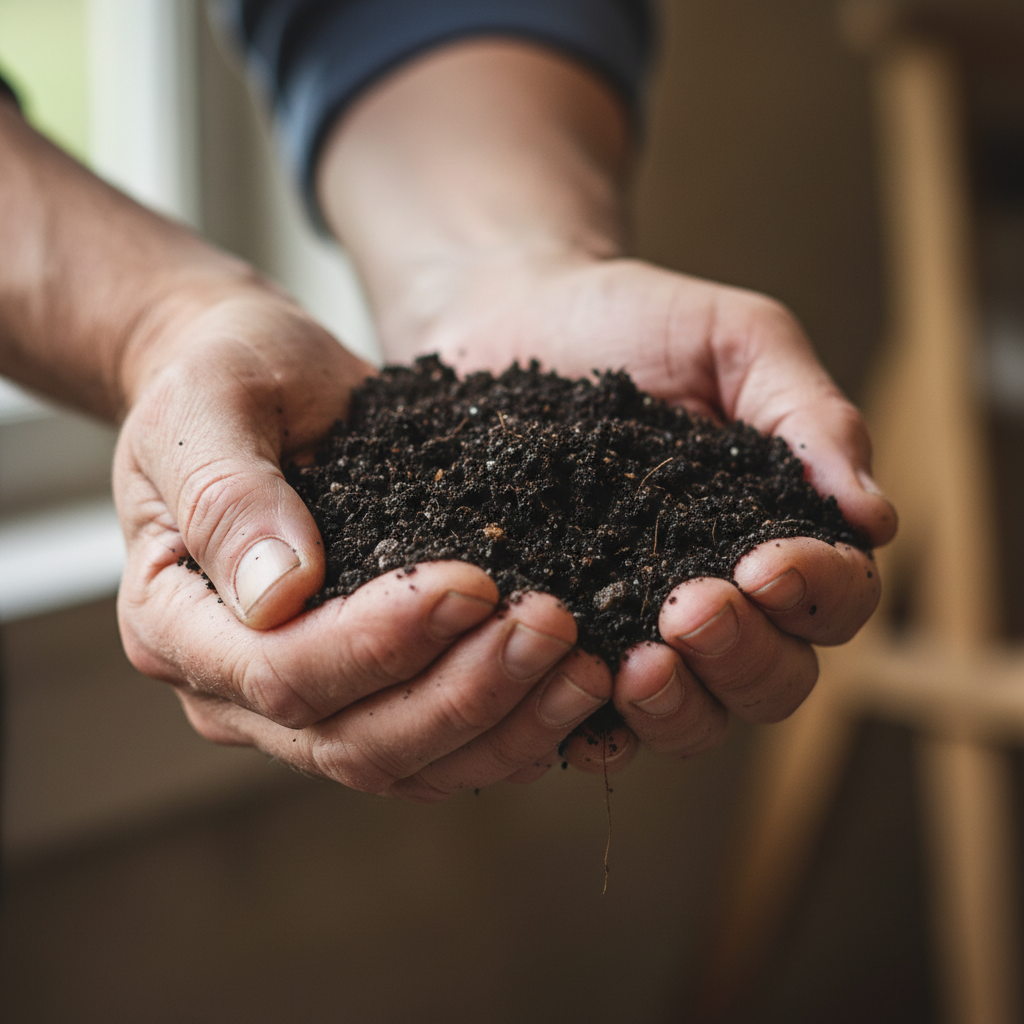
I dug down eight inches with a spade and found gray hardpan. No structure. No life. The kind of soil that happens when land is asked to give without ever being given back to.
That afternoon changed everything. I stopped fighting the land and started learning its language — fungi, water, succession, time. This journal is that conversation, still ongoing.
Elias Thorn
Rootwork · Southeast Ohio
9 yrs
of field documentation
Field reports, guild maps,
and slow observations.
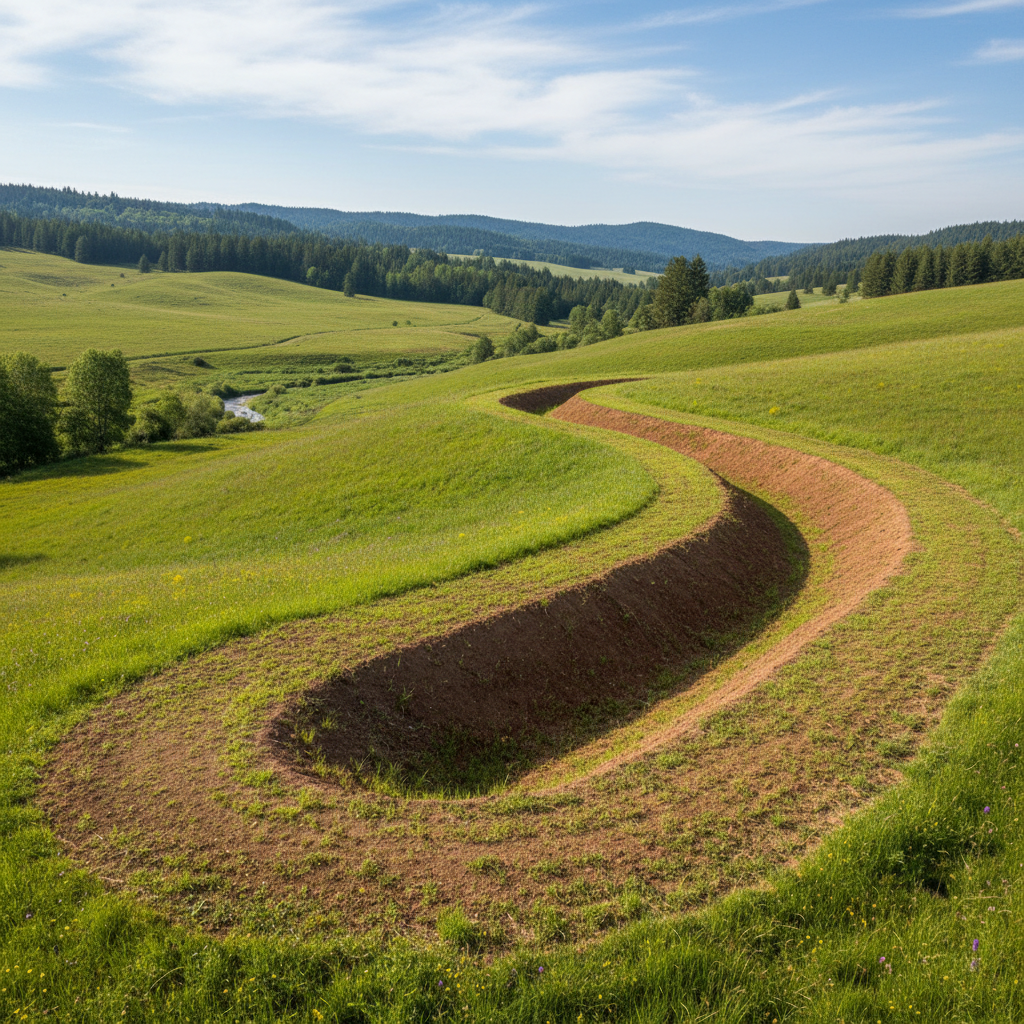
Digging the First Swale: What the Water Told Me
After three wet seasons of watching where the runoff went, I finally understood the land's drainage logic. The swale wasn't my idea — I just stopped arguing.
“A perennial system doesn't owe you a harvest in year one. It's paying a debt that annual agriculture left behind — and the interest is time.”
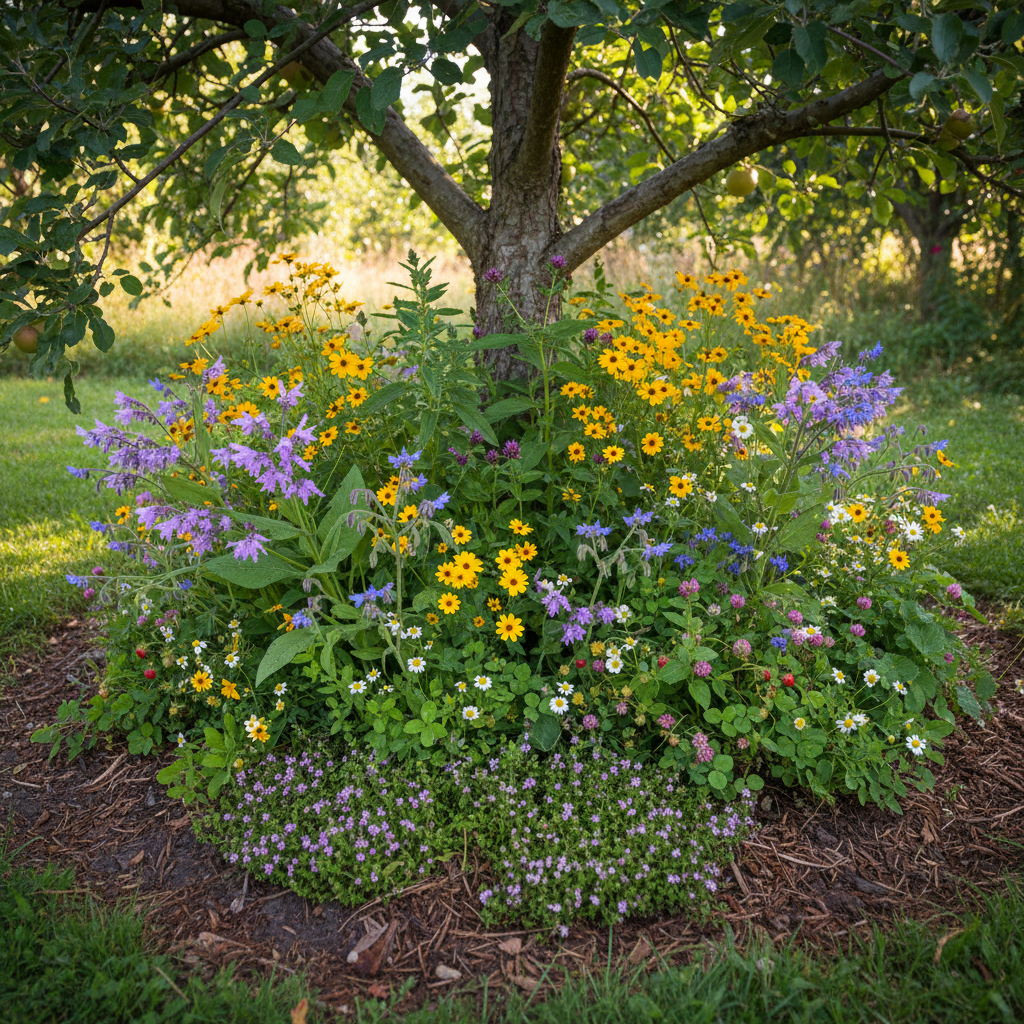
The Apple Guild: Seven Plants Doing the Work of a Whole Orchard Floor
Comfrey, yarrow, white clover, chives, nasturtium, borage, and one stubborn mullein that seeded itself. By August the guild was managing its own fertility.
October Audit: What Died, What Thrived, What the Deer Decided For Me
An honest accounting of year three. The paw paws are finally putting on real growth. The persimmons outpaced everything. I lost all four aronia to vole pressure under the snow.
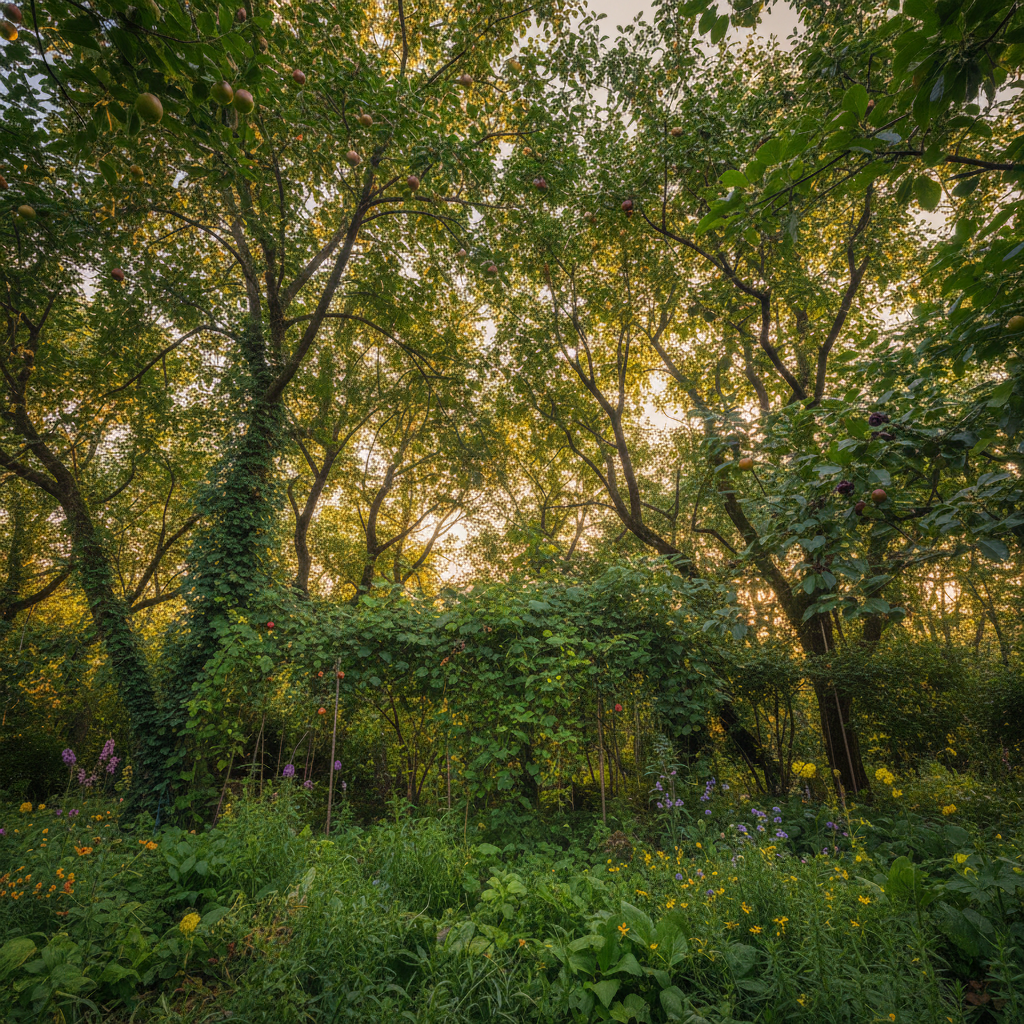
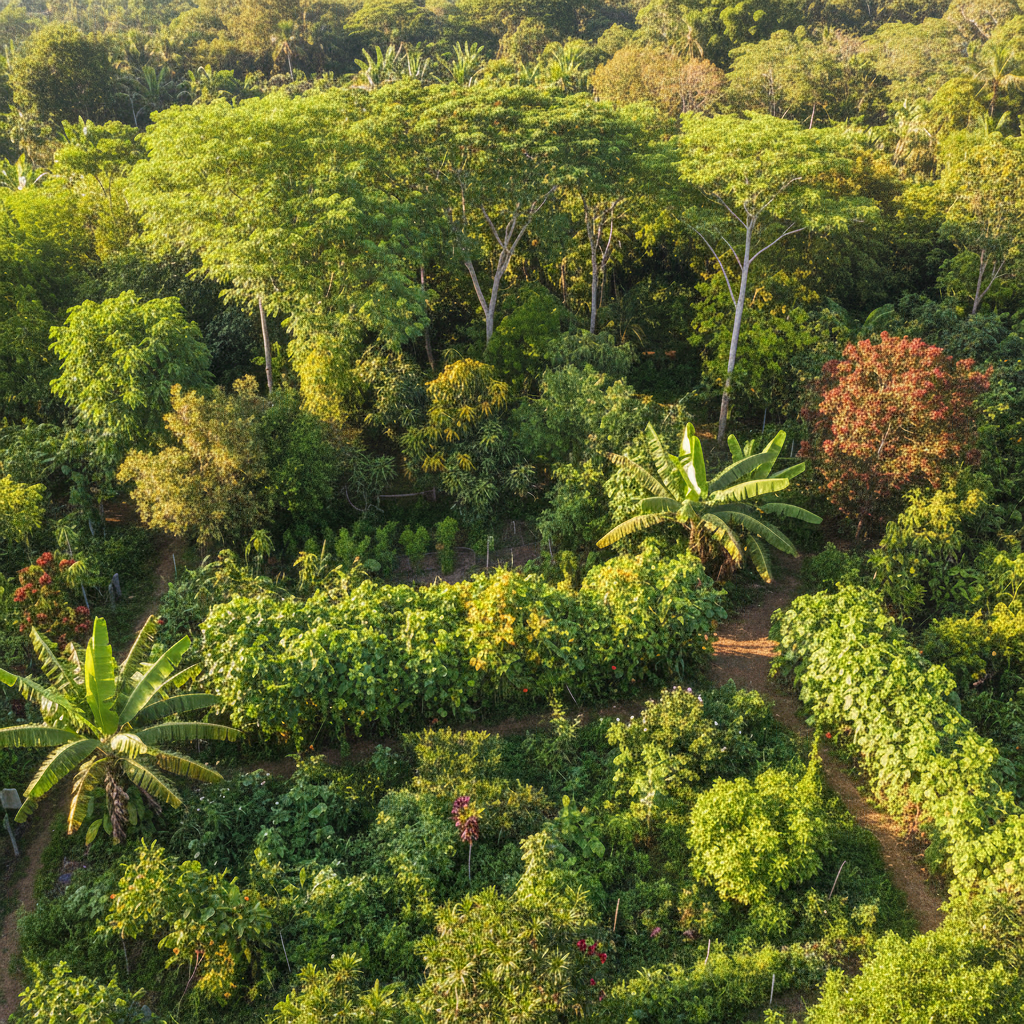
Seven Years of Canopy Closure: A Photo Record
Same vantage point, same month, seven consecutive years. Watching a field become a forest is the slowest documentary you'll ever love.
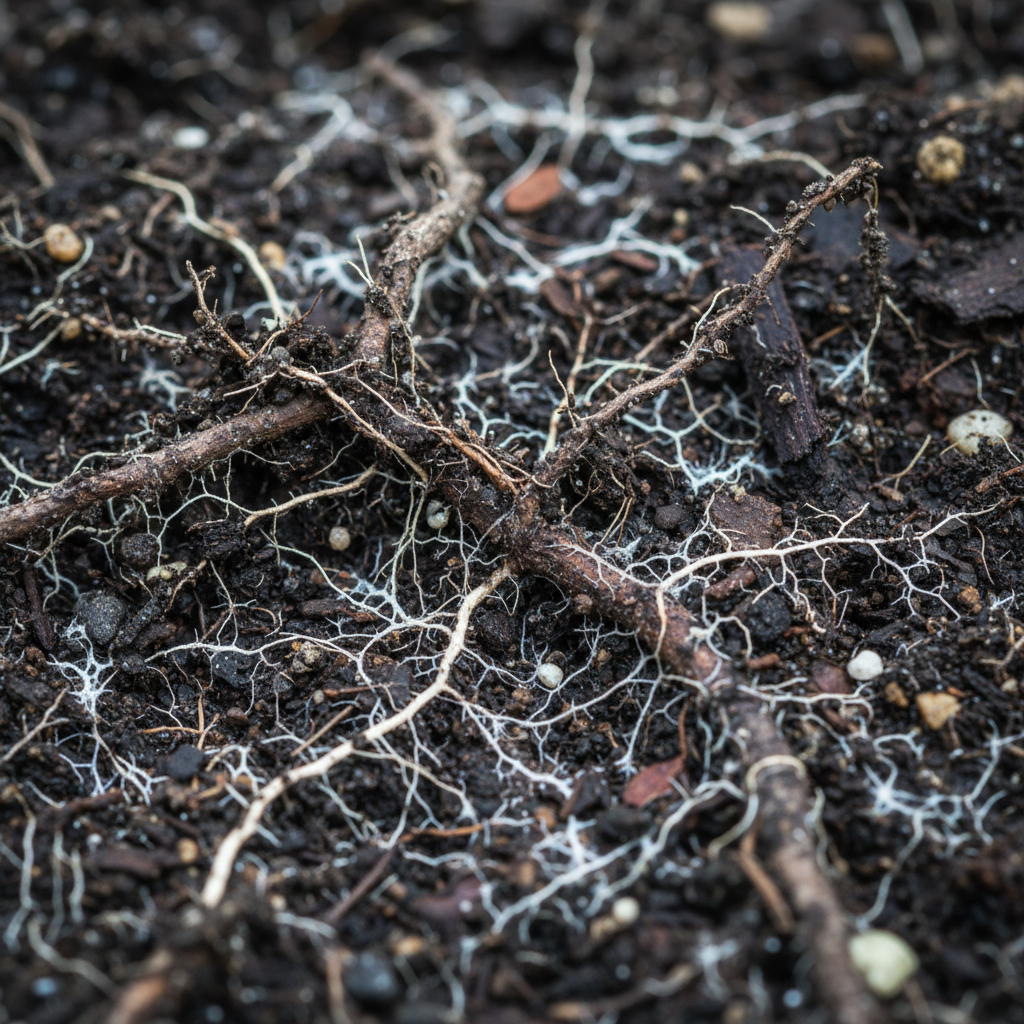
“The mycelium was there before I arrived and it will be there after I leave. Every amendment I make is a negotiation with a network I can't fully see.”
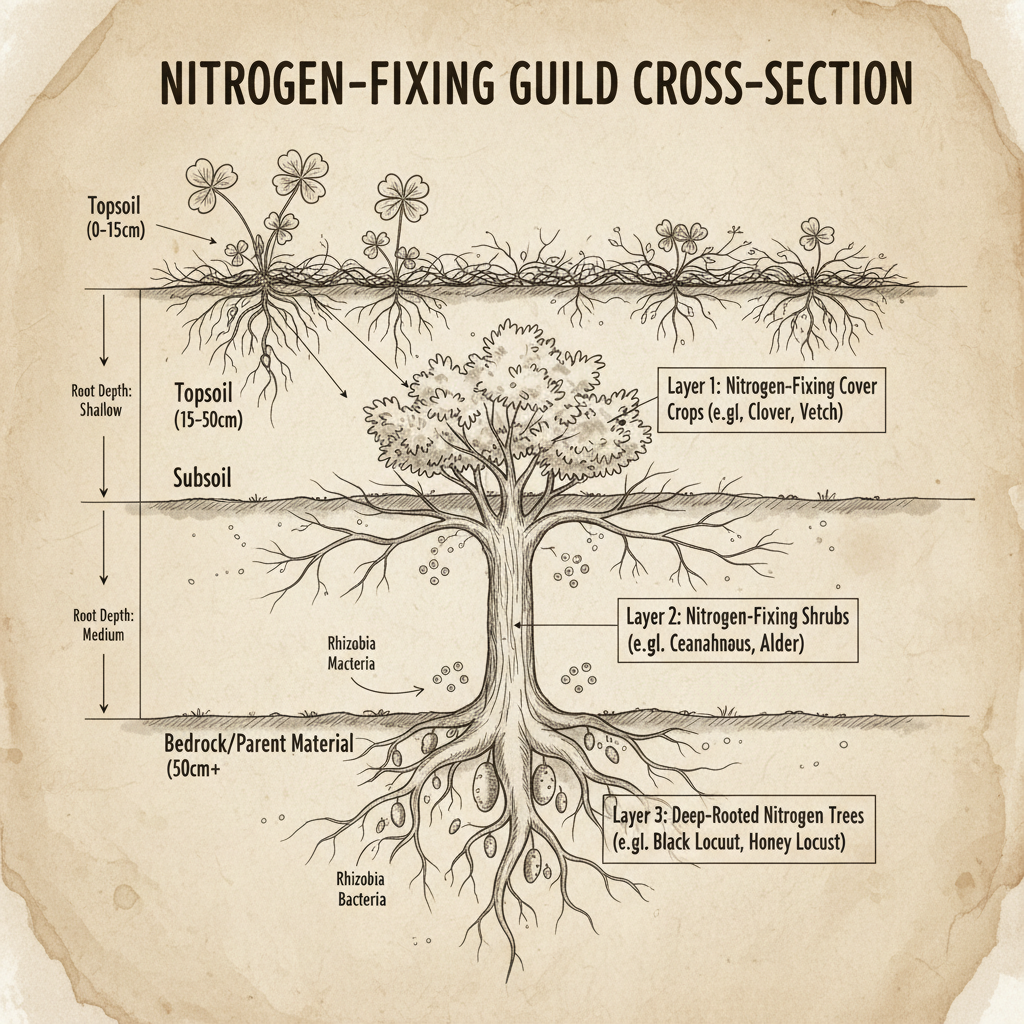
Hand-Drawn Guild: The Three-Layer Nitrogen System
Black locust as the tall nitrogen-fixer, Siberian pea shrub in the mid-layer, white clover carpeting the floor. A self-fertilizing triangle that costs almost nothing to establish.
What a Jar of Soil Taught Me About Tillage
I sent a soil sample to a lab in 2019 and another in 2024 — same spot, no tillage between them. The numbers were almost unrecognizable as the same field.
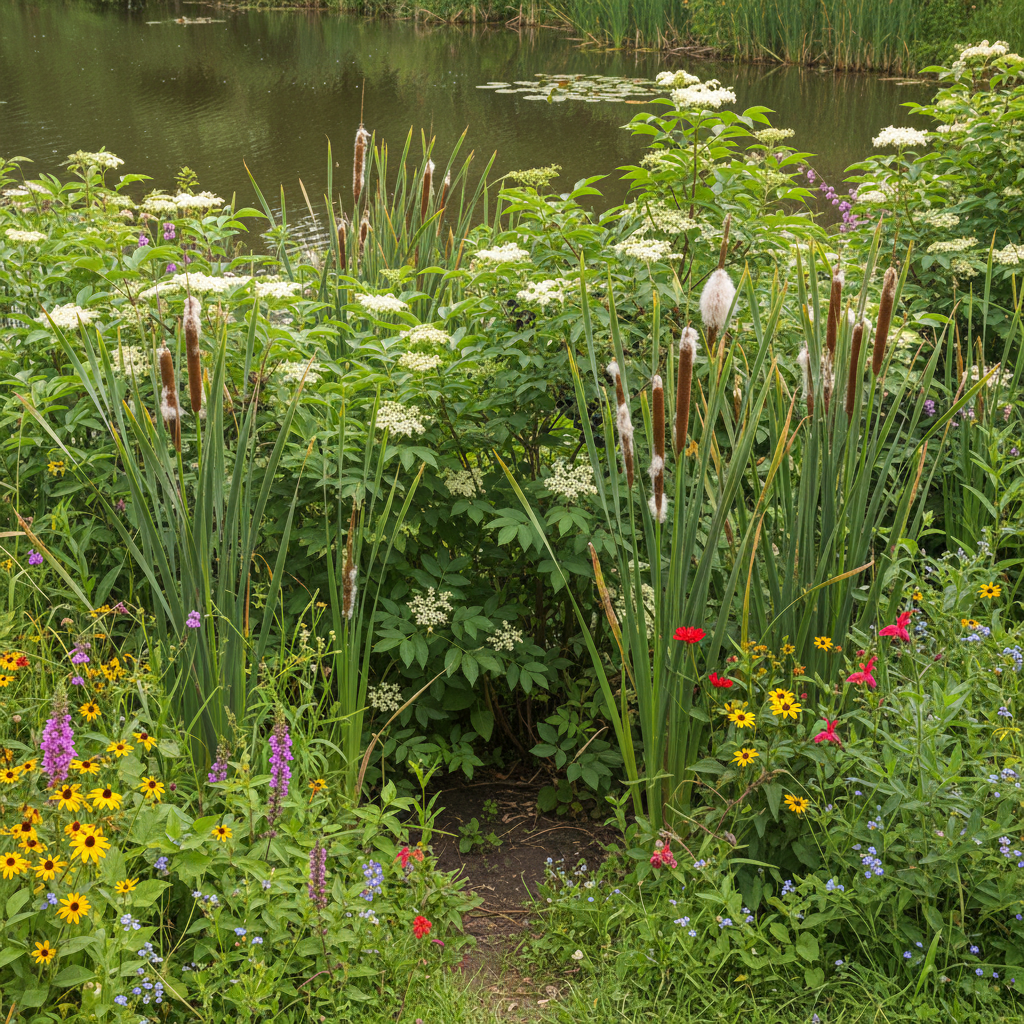
Pond Margins as Polyculture: Cattail, Elderberry, and the Edges That Feed Everything
The transition zone between water and dry land is the most productive square footage on the property. I stopped mowing it in 2021 and haven't looked back.
Get the Field Notes.
No weekly inbox pressure. No algorithm. Just four dispatches a year — one per season — each one a long-form field report from the land.
Subscribe now and get the Guild Planting Cheat Sheet immediately — 12 polyculture combinations for Zone 5–8, free.
No spam. Unsubscribe any season.
9
Years Documented
140+
Field Dispatches
6
USDA Zones Covered
4,200+
Seasonal Subscribers
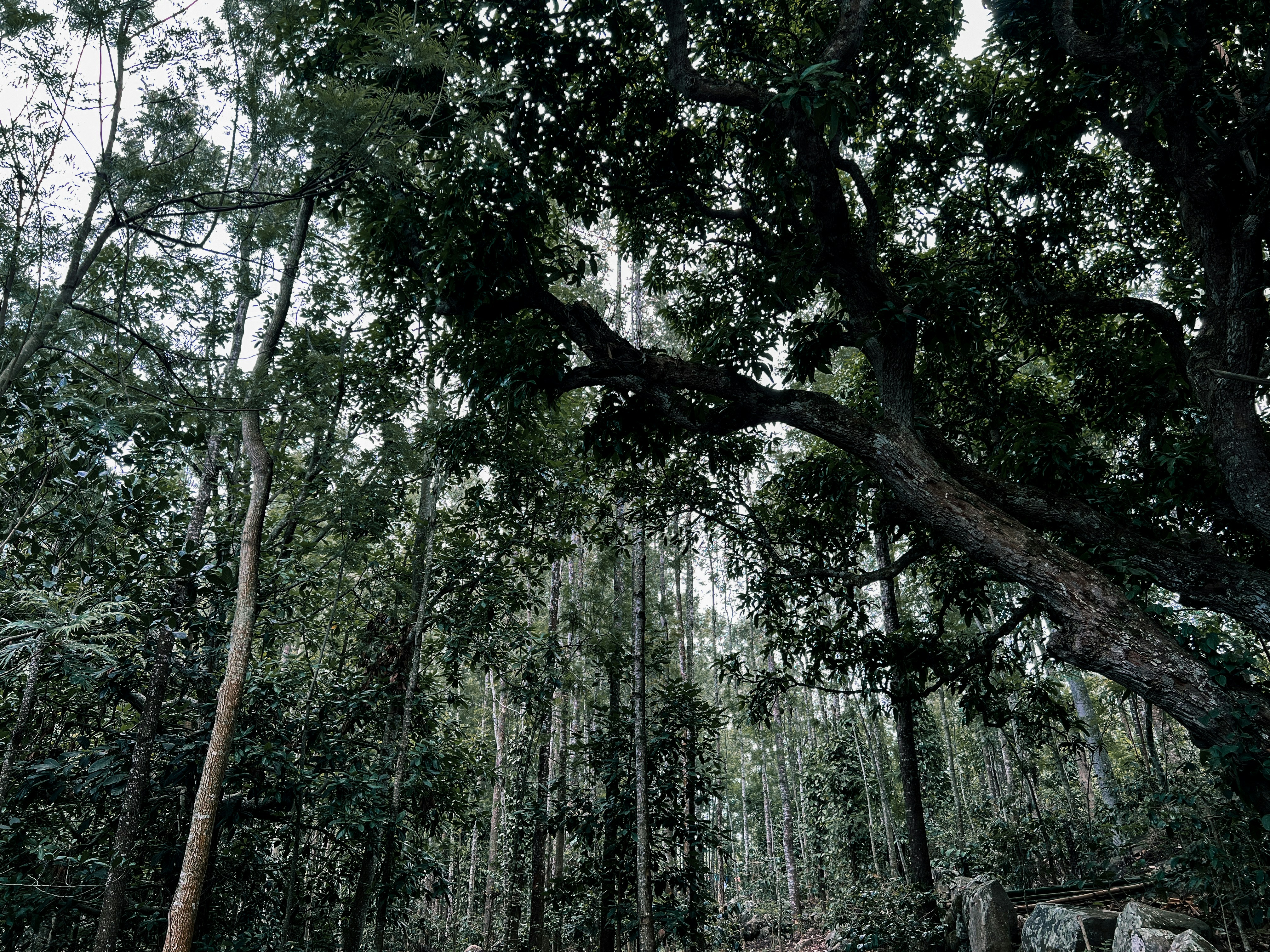
Nine years of field reports, waiting.
Filtered by season, climate zone, and system type. From the first failed swale to the food forest that finally closed canopy last summer.
Still here? That's a good sign.
Join 4,200+ growers who receive one seasonal dispatch a year — plus the free Guild Planting Cheat Sheet on sign-up.